GPT-5 vs GPT-OSS: Key Differences Explained

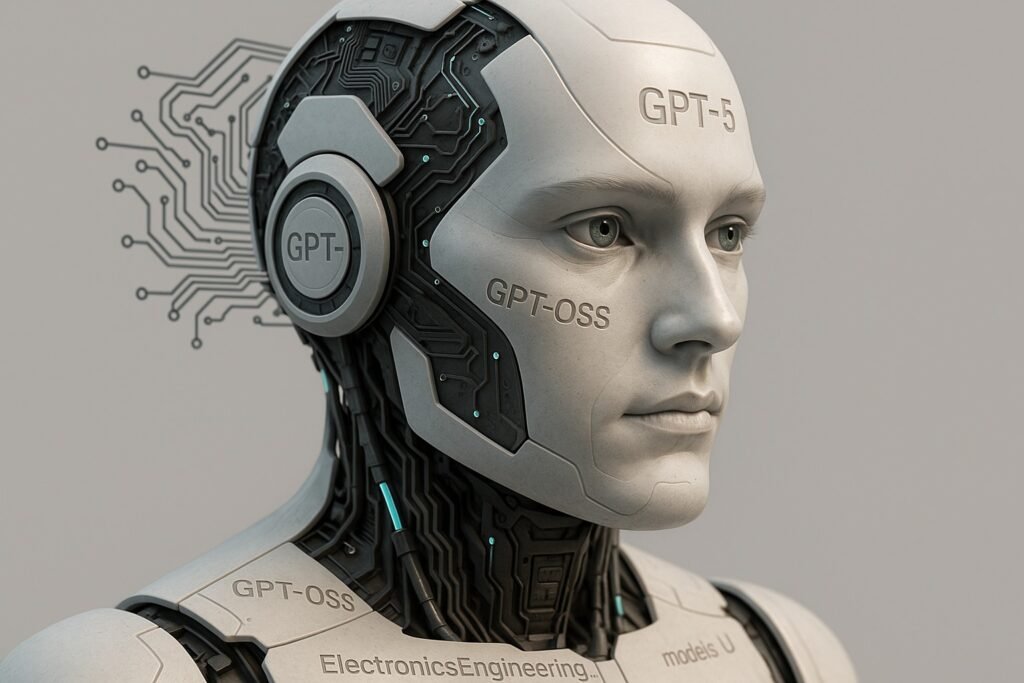
Comparativa entre GPT-5 y gpt-oss-120b & gpt-oss-20b — imagen destacada

Introduction

This comparison includes GPT-5, GPT-OSS-120b, and GPT-OSS-20b models. Understanding the differences and capabilities of these models is essential, especially given the increasing reliance on AI for various applications, from personal assistance to complex problem-solving in professional environments. Both GPT-5 and GPT-OSS models represent significant advancements in AI language technology, and knowing their similarities and distinctions can help you choose the right one for your needs. As AI continues to evolve and integrate into various sectors, making an informed choice is crucial for maximizing the benefits of these tools.

In this article, we will delve into the features, performance, advantages, limitations, and practical applications of each model. By the end, you should have a comprehensive understanding of which model might be best suited for your specific requirements.

Models and Variants

GPT-5

GPT-5 is OpenAI’s latest model, building upon the success of its predecessors with substantial improvements. It is designed to cater to a wide range of applications, making it a versatile tool for both personal and professional use. Here are its key features that set it apart in the landscape of AI language models:

  • Unified System: GPT-5 integrates a smart, efficient model that handles most queries swiftly alongside a deeper reasoning model for more complex problems. This duality allows for a more effective response based on the nature of the question, whether it requires quick answers or in-depth analysis. The model utilizes a real-time router that determines the best approach depending on user intent and the complexity of the request.
  • Performance: It excels in various domains, including coding, math, writing, and health. For instance, GPT-5 achieved a score of 94.6% on the AIME 2025 math exam, demonstrating its capability in handling academic challenges. This high level of performance makes it suitable for users who require precision and reliability in their AI interactions.
  • Reduced Hallucinations: One of the major advancements in GPT-5 is its reduced likelihood of generating false information. Compared to its predecessor, GPT-4o, GPT-5 is 45% less likely to provide factual errors, enhancing user trust. This improvement is particularly important for professionals who rely on accurate data for decision-making.
  • Health Questions: GPT-5 has shown remarkable improvements in answering health-related inquiries, scoring significantly higher on the HealthBench evaluation compared to previous models. It acts as a thought partner, helping users navigate complex health information responsibly. This feature positions GPT-5 as a valuable tool for healthcare professionals and individuals seeking reliable health information.
  • Faster Thinking: The model is designed to maximize efficiency, producing accurate results with fewer output tokens. This efficiency makes it a strong choice for applications requiring quick responses without sacrificing quality. Users can expect a seamless interaction experience, which is critical in fast-paced environments.
  • Safety Measures: GPT-5 features advanced safety protocols, including a new safe completions approach that allows it to provide helpful information while adhering to safety boundaries. This is particularly relevant in industries where data sensitivity is paramount, such as finance and healthcare.
  • Custom Personalities: The model introduces preset personalities that can adjust communication styles, making interactions more engaging and tailored to user preferences. This feature enhances user experience by allowing for a more personalized interaction.

Pros and Cons of GPT-5

Pros:
– High performance across various domains.
– Reduced hallucination rates, increasing reliability.
– Advanced safety protocols for sensitive applications.
– Customizable communication styles for user engagement.

Cons:
– Higher resource requirements compared to open-source alternatives.
– Limited access for users without subscription models.

GPT-OSS Models

On the other hand, the GPT-OSS models, specifically GPT-OSS-120b and GPT-OSS-20b, offer a different approach that emphasizes accessibility and flexibility:

  • Open Weight Models: These models are designed to be accessible, allowing developers to utilize them under an Apache 2.0 license. They are particularly suited for use on consumer hardware, emphasizing cost efficiency. This accessibility encourages innovation and experimentation among developers and small businesses.
  • Performance: The GPT-OSS-120b model approaches parity with OpenAI’s proprietary models on core reasoning benchmarks, making it a strong contender in the open-source realm. It is capable of running efficiently on a single 80 GB GPU, while GPT-OSS-20b can operate on edge devices with just 16 GB of memory. This flexibility allows for deployment in various environments, from high-performance servers to low-end devices.
  • Reasoning Capabilities: Both models excel in reasoning tasks, with strong performance in tool use and few-shot learning scenarios. They are optimized for various deployment environments, enabling flexibility in how and where they are used. This makes them versatile options for developers working on diverse applications.
  • Safety Standards: GPT-OSS models have undergone rigorous safety evaluations and are designed to maintain safety standards comparable to proprietary models, ensuring responsible use in diverse applications. This focus on safety is crucial for developers who want to implement AI responsibly.
  • Customization: The models support customization, allowing developers to fine-tune them for specific needs and integrate them into various systems. This feature is particularly beneficial for businesses looking to create tailored solutions that meet their unique requirements.
  • Layered Architecture: With a mixture-of-experts architecture, GPT-OSS models can activate a subset of parameters per token, enhancing efficiency and performance without requiring excessive computational resources. This innovative design enables better scalability and resource management.

Pros and Cons of GPT-OSS Models

Pros:
– Open-source accessibility encourages widespread use and innovation.
– Efficient performance on consumer-grade hardware.
– Strong reasoning capabilities with customizable features.
– Flexible deployment options for various environments.

Cons:
– May not match the performance of proprietary models in all scenarios.
– Requires technical expertise to customize effectively.

In summary, GPT-5 is focused on providing a highly refined user experience with sophisticated capabilities in reasoning and safety, while GPT-OSS models prioritize accessibility and flexibility for developers and organizations looking for open-source solutions. The choice between these models will largely depend on the specific needs and resources of the user or organization.

Performance and Use Cases

GPT-5 Performance

GPT-5 stands out in the AI landscape due to its exceptional performance across multiple domains. Here are some specific areas where it excels:

  1. Natural Language Processing (NLP): GPT-5’s NLP capabilities allow it to understand and generate human-like text, making it suitable for chatbots, virtual assistants, and content generation.
  2. Mathematical Problem Solving: As evidenced by its AIME 2025 score, GPT-5 can tackle complex mathematical problems, making it a valuable tool for students and educators.
  3. Creative Writing: The model can assist in generating creative content, such as stories, poems, and marketing copy, which can save time for writers and marketers.
  4. Healthcare Applications: With its ability to analyze medical literature and provide insights, GPT-5 can assist healthcare professionals in decision-making and patient care.
  5. Coding and Debugging: Developers can utilize GPT-5 to write code snippets, debug existing code, and learn new programming languages through interactive dialogue.

GPT-OSS Performance

The GPT-OSS models, specifically GPT-OSS-120b and GPT-OSS-20b, offer robust performance, particularly in open-source environments. Here are key performance areas:

  1. Accessibility: Both models are designed to run on consumer-grade hardware, making them accessible to a broader audience. GPT-OSS-20b can even operate on devices with limited resources, enhancing its usability.
  2. Customization and Flexibility: Developers can fine-tune the models for specific applications, allowing for tailored solutions that meet unique business needs.
  3. Reasoning Tasks: The models excel in reasoning tasks, making them suitable for applications that require logical thinking and problem-solving capabilities.
  4. Tool Use: Both models demonstrate strong performance in tool use scenarios, allowing them to integrate with other software and applications effectively.
  5. Community Collaboration: The open-source nature of GPT-OSS fosters collaboration among developers, leading to innovative applications and improvements.

Advantages and Limitations

Advantages of GPT-5

  • High Accuracy: The model’s advanced training and reduced hallucination rates ensure that it provides reliable and accurate information, crucial for professional applications.
  • User Engagement: Custom personalities enhance user interaction, making it more engaging and enjoyable for users.
  • Comprehensive Capabilities: Its ability to handle a variety of tasks, from coding to health inquiries, makes it a versatile tool for different user profiles.

Limitations of GPT-5

  • Cost: Access to GPT-5 may require a subscription, which could be a barrier for some users, especially those in budget-constrained environments.
  • Resource Intensive: The model’s high performance comes with increased resource requirements, necessitating powerful hardware for optimal operation.

Advantages of GPT-OSS Models

  • Cost-Effective: Being open-source, GPT-OSS models can be utilized without the costs associated with proprietary models, making them accessible for startups and small businesses.
  • Customization: The ability to modify and fine-tune the models allows developers to create solutions tailored to specific needs, fostering innovation.
  • Community Support: The open-source community provides a wealth of resources, including documentation and shared projects, aiding developers in their implementation efforts.

Limitations of GPT-OSS Models

  • Performance Variability: While they are competitive, GPT-OSS models may not always match the performance of proprietary models like GPT-5 in complex scenarios.
  • Technical Expertise Required: Customizing and deploying these models effectively may require a level of technical knowledge that not all users possess.

Applications or Practical Examples

GPT-5 Applications

  1. Healthcare Support: GPT-5 can assist healthcare professionals by providing accurate information and analysis of medical data, helping them make informed decisions in patient care.
  2. Content Creation: Writers and marketers can use GPT-5 to generate high-quality content, including articles, blogs, and marketing materials, with minimal editing required.
  3. Programming Assistance: Developers can leverage GPT-5’s coding capabilities to troubleshoot issues, generate code snippets, and even learn new programming languages.
  4. Educational Tools: Educators can utilize GPT-5 to create interactive learning experiences, offering personalized tutoring and explanations tailored to individual student needs.
  5. Customer Support: Businesses can implement GPT-5 in their customer service departments to handle inquiries efficiently, providing quick responses to common questions.

GPT-OSS Applications

  1. Mobile Applications: GPT-OSS-20b can be integrated into mobile apps, providing users with AI-powered features like chatbots and personal assistants without requiring extensive hardware.
  2. Custom AI Solutions: Businesses can customize GPT-OSS-120b to develop proprietary AI solutions that cater to specific industry needs, enhancing operational efficiency.
  3. Research and Development: Researchers can use GPT-OSS models to analyze large datasets and generate insights, facilitating innovative discoveries in various fields.
  4. Community Projects: The open-source nature of GPT-OSS models allows communities and developers to collaborate on projects, fostering innovation and knowledge sharing.
  5. Educational Platforms: Educational institutions can utilize GPT-OSS models to create interactive learning tools that enhance student engagement and understanding.

What Model to Choose?

Choosing between GPT-5 and the GPT-OSS models depends on several factors, including your specific use case, available resources, and technical expertise. Here are some recommendations based on user profiles:

For Beginners

If you are just getting started with AI and machine learning, GPT-OSS-20b might be the best fit for you. Its low memory requirements and straightforward deployment make it accessible for users without extensive hardware resources. Additionally, the open-weight model allows you to experiment and learn without the need for costly API subscriptions. This model serves as an excellent entry point into the world of AI, providing a practical platform for learning and development.

For Professionals

For professionals needing high-level capabilities, GPT-5 is the recommended choice. Its advanced reasoning skills, reduced hallucination rates, and enhanced performance across various domains make it ideal for complex tasks in fields like coding, writing, and health consultation. Furthermore, its safety features provide peace of mind when dealing with sensitive information. Professionals can leverage GPT-5 for tasks that require accuracy and reliability, ensuring that they can depend on the AI for critical decision-making.

For Educators

Educators can benefit from both models, but GPT-5 may offer a more engaging experience for students. Its ability to adapt to different communication styles and provide in-depth explanations can enhance the learning process. This adaptability can make lessons more interactive and enjoyable. However, if budget constraints are a concern, GPT-OSS-120b offers strong performance at a lower cost, making it suitable for educational institutions looking to implement AI without significant investment. This model can provide educators with the tools they need to foster a modern learning environment.

For Developers

Developers should consider their specific needs when choosing between the two models. GPT-OSS-120b is advantageous for those looking to build applications with open-source solutions, as it allows for extensive customization and flexibility. This model empowers developers to create tailored applications that meet specific user needs. Conversely, if you require the highest performance and advanced reasoning capabilities, GPT-5 is the superior option, especially for applications that demand rapid and accurate responses. Developers can utilize GPT-5 to create sophisticated applications that require a high degree of reliability and performance.

For Small Businesses

Small businesses may find GPT-OSS-20b an attractive option due to its cost-effectiveness and efficient performance on lower-end hardware. It allows for rapid deployment and customization without the overhead of proprietary software. This accessibility can help small businesses leverage AI technology to improve operations and customer interactions. However, for businesses focused on health or complex problem-solving, investing in GPT-5 could yield better long-term benefits, given its robust safety features and advanced capabilities. This investment can help small businesses enhance their service offerings and improve customer satisfaction.

Conclusion

In conclusion, both GPT-5 and the GPT-OSS models have unique strengths that cater to different user needs. GPT-5 excels in providing sophisticated reasoning, safety, and user engagement, making it suitable for professionals and educators. Its advanced capabilities make it a powerful tool for tackling complex problems across various domains. On the other hand, the GPT-OSS models offer accessible and customizable solutions for developers and beginners, encouraging innovation and experimentation.

Ultimately, your choice should depend on your specific requirements and context. Whether you prioritize performance, safety, or accessibility, understanding the strengths and limitations of each model will empower you to make an informed decision that aligns with your goals. As AI technology continues to evolve, staying updated on these advancements will be crucial for maximizing the benefits of these powerful tools. More information at prometeo.blog.

Official sources

Third-party readings

Find this product and/or books on this topic on Amazon

Go to Amazon

As an Amazon Associate, I earn from qualifying purchases. If you buy through this link, you help keep this project running.
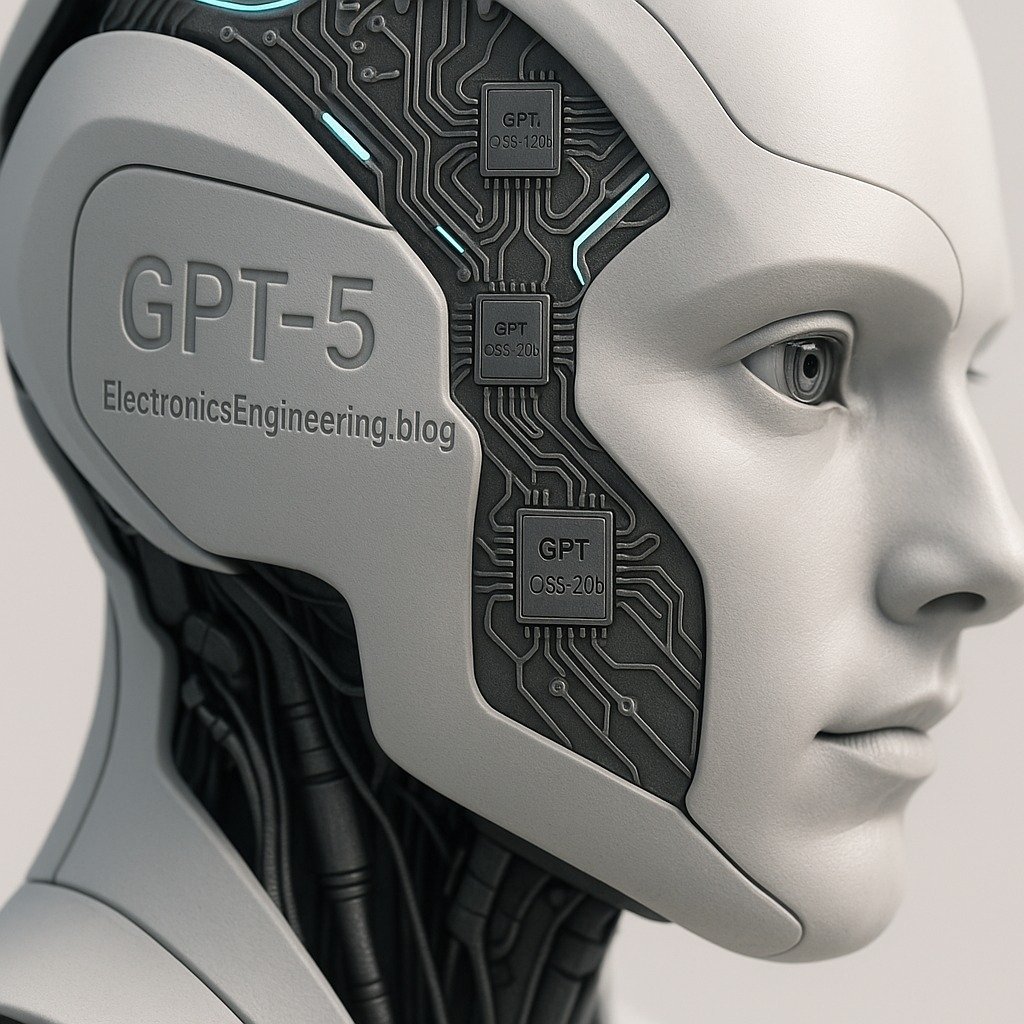

Comparing GPT-5 and GPT-OSS Models

Quick Quiz

Question 1: What is the primary purpose of GPT-5?


Question 2: Which feature distinguishes GPT-5 from other models?


Question 3: What type of problems does GPT-5 handle effectively?


Question 4: What is essential for maximizing the benefits of AI tools?


Question 5: What does the real-time router in GPT-5 do?


DeepSeek-R1 vs DeepSeek-V3: Key Differences Explained

Comparativa de Modelos DeepSeek: DeepSeek-R1 y — imagen destacada

Introduction

This comparison includes DeepSeek-R1 and DeepSeek-V3. Understanding the capabilities and differences between these two models is crucial for developers and researchers in the field of artificial intelligence. Each model offers unique features and performance metrics that cater to different needs in machine learning and natural language processing. As AI continues to evolve, selecting the right model can significantly impact the effectiveness of applications across various industries. This article delves deep into the specifications, performance, and practical applications of both models, providing a comprehensive guide to help you make an informed decision.

Models and Variants

DeepSeek-R1

DeepSeek-R1 is the first-generation reasoning model introduced by the DeepSeek team. It builds on the foundation laid by its predecessor, DeepSeek-R1-Zero, which was trained using large-scale reinforcement learning (RL) without the need for supervised fine-tuning (SFT) prior to its training. This innovative approach allowed DeepSeek-R1-Zero to exhibit remarkable reasoning capabilities, although it faced challenges, such as endless repetition, poor readability, and language mixing.

To address these issues, DeepSeek-R1 incorporates cold-start data before the reinforcement learning phase. This enhancement significantly improves its reasoning performance and ensures that it achieves results comparable to OpenAI’s models across various tasks, including math, code, and reasoning. Notably, DeepSeek-R1 also includes six dense models distilled from it, which are based on architectures like Llama and Qwen. One of these, DeepSeek-R1-Distill-Qwen-32B, outperforms OpenAI-o1-mini across several benchmarks, showcasing its potential in real-world applications.

DeepSeek-V3

In contrast, DeepSeek-V3 represents a more advanced iteration, featuring a robust Mixture-of-Experts (MoE) architecture. It boasts a staggering total of 671 billion parameters, out of which 37 billion are activated for each token processed. This model’s architecture is designed for efficient inference and cost-effective training, employing Multi-head Latent Attention (MLA) and DeepSeekMoE frameworks, which were validated in previous versions like DeepSeek-V2.

DeepSeek-V3 introduces an innovative strategy that eliminates the need for auxiliary loss functions, facilitating better load balancing during training. This model employs a multi-token prediction training objective that enhances its performance significantly. The model has been pre-trained on an impressive dataset of 14.8 trillion high-quality tokens, followed by stages of supervised fine-tuning and reinforcement learning to maximize its capabilities.

Performance and Use Cases

Performance Comparison

When comparing the two models, DeepSeek-V3 clearly stands out due to its architecture and training methodology. The large parameter count and the MoE design enable it to handle complex tasks more efficiently than DeepSeek-R1. Moreover, the pre-training on a vast amount of diverse tokens allows DeepSeek-V3 to better understand context and produce more coherent outputs.

Conversely, DeepSeek-R1’s strength lies in its ability to deliver comparable performance without the extensive resources required for the training of DeepSeek-V3. This may make it more accessible for smaller organizations or projects with limited computational power. However, it is essential to note that the quality of outputs from DeepSeek-R1 may not match the sophisticated reasoning and contextual understanding demonstrated by DeepSeek-V3.

Use Cases

DeepSeek-R1 is suitable for applications where rapid deployment is needed, particularly in environments with constrained computational resources. It can be effectively utilized for tasks that require solid reasoning capabilities but do not necessarily demand the highest levels of performance. Some potential use cases include:

  • Basic chatbots that require simple responses.
  • Educational tools for teaching fundamental AI concepts.
  • Quick prototyping of AI applications in resource-limited settings.

Conversely, DeepSeek-V3 is ideal for scenarios that involve complex language understanding, such as advanced chatbot systems, comprehensive content generation, and extensive data analysis. Its architecture allows it to excel in contexts where superior performance is critical, making it a preferred choice for leading-edge applications in AI and machine learning. Some notable use cases include:

  • High-level conversational agents capable of nuanced dialogues.
  • Content creation tools for marketing and media industries.
  • Complex data analytics applications that require deep insights.

Advantages and Limitations

DeepSeek-R1

Advantages:
Accessibility: Easier to deploy and requires fewer computational resources.
Solid Reasoning: Capable of handling basic reasoning tasks effectively.
Quick Prototyping: Ideal for rapid development cycles and experimentation.

Limitations:
Performance: May not match the output quality of more advanced models like DeepSeek-V3.
Challenges in Complexity: Struggles with more complex tasks and nuanced understanding.
Potential for Repetition: Prone to issues like endless repetition and poor readability.

DeepSeek-V3

Advantages:
High Performance: Superior reasoning and contextual understanding capabilities.
Advanced Architecture: Efficient design allows for better load balancing and inference.
Extensive Pre-training: Trained on a vast dataset, enhancing its ability to produce coherent and contextually relevant outputs.

Limitations:
Resource Intensive: Requires significant computational power and resources for training and deployment.
Complexity: The advanced architecture may pose challenges for beginners to grasp fully.
Cost: Higher operational costs associated with running and maintaining the model.

Applications or Practical Examples

DeepSeek-R1 Applications

  1. Educational Chatbots: Used in classrooms to assist students with basic queries and explanations, helping to enhance the learning experience.
  2. Basic Content Generation: Ideal for generating simple blog posts or articles where advanced language understanding is not critical.
  3. Prototyping AI Solutions: Startups can utilize DeepSeek-R1 to test ideas quickly before investing in more resource-intensive solutions.

DeepSeek-V3 Applications

  1. Advanced Customer Support Systems: Capable of handling complex customer queries in real-time, providing detailed and context-aware responses.
  2. Creative Content Generation: Used in marketing to create engaging content tailored to specific audiences, enhancing brand communication.
  3. Data Analytics Tools: Powering sophisticated data analysis applications that require deep insights from large datasets, facilitating informed decision-making.

What Model to Choose?

Beginners

For beginners, it is recommended to start with DeepSeek-R1. Its straightforward architecture and the absence of complex training requirements make it a great entry point into the world of AI. You can experiment with various reasoning tasks and gradually build your understanding of reinforcement learning without the overwhelming computational demands of more advanced models.

Professionals

If you are a professional seeking to develop applications that require high-level reasoning and language understanding, DeepSeek-V3 is the better choice. Its advanced architecture and training methods allow you to build robust applications capable of handling complex tasks with greater efficiency and accuracy. The extensive pre-training on diverse data sets means you’ll have access to a model that can understand context better and produce more relevant outputs.

Educational Institutions

Educational institutions focusing on AI research can benefit from both models. DeepSeek-R1 can be used for introductory courses to teach the fundamentals of machine learning and reasoning, while DeepSeek-V3 can be integrated into advanced courses that explore cutting-edge AI technologies. Utilizing both models allows students to appreciate the evolution of AI models and the trade-offs involved in their design and implementation.

Startups

For startups that need to balance performance with cost, DeepSeek-R1 provides a viable option. It allows for quick deployment and testing of ideas without the need for extensive computational resources. However, if your startup is focused on developing a product that requires sophisticated AI capabilities, investing in DeepSeek-V3 would be wise, as it offers superior performance that can give your product a competitive edge.

Conclusion

In summary, both DeepSeek-R1 and DeepSeek-V3 have their respective strengths and target audiences. DeepSeek-R1 offers a more accessible entry point for beginners and smaller projects, while DeepSeek-V3 provides advanced capabilities suited for complex applications requiring high performance. The choice between the two models ultimately depends on your specific needs and resources. As AI technology continues to advance, understanding these differences will empower you to select the most suitable model for your applications, ensuring that you leverage the best capabilities available in the field of artificial intelligence. More information can be found at prometeo.blog.

Official sources

Third-party readings

Find this product and/or books on this topic on Amazon

Go to Amazon

As an Amazon Associate, I earn from qualifying purchases. If you buy through this link, you help keep this project running.

Comparing DeepSeek-R1 and DeepSeek-V3: A

Quick Quiz

Question 1: What is the primary focus of the article?


Question 2: What was a challenge faced by DeepSeek-R1-Zero?


Question 3: What enhancement does DeepSeek-R1 incorporate to improve performance?


Question 4: Which model outperforms OpenAI-o1-mini according to the article?


Question 5: What is a key benefit of selecting the right AI model?


Gemini AI Features: Boost Your Productivity Today

Comparativa de Gemini Live, Gemini Deep Research,… — imagen destacada

Introduction

This comparison includes Gemini Live, Deep Research, Video Generation, and Image Generation. Understanding the capabilities of these AI features is essential, as they can significantly enhance productivity and creativity in various tasks. By comparing these models, you can make informed decisions about which tool best suits your needs. Each feature serves a unique purpose, catering to different user profiles, from beginners to professionals. In this article, we will delve deeper into each model, analyze their performance, explore their advantages and limitations, and provide practical applications to help you choose the right tool for your specific requirements.

Models and Variants

Gemini Live

Gemini Live is a sophisticated real-time voice assistant that facilitates natural conversations between users and the AI. It supports over 150 countries and 45 languages, making it a truly global tool. The AI adapts to your conversational style, enabling fluid interactions that can shift topics seamlessly. This feature is particularly beneficial for brainstorming sessions, where users can discuss ideas, share images, and even screenshare for tailored assistance.

Pros:
– User-friendly interface fosters natural conversations.
– Multilingual support broadens accessibility.
– Dynamic interaction allows for topic changes mid-conversation.

Cons:
– May require a stable internet connection for optimal performance.
– Some users may find the AI’s responses occasionally generic.

Deep Research

Deep Research is a powerful tool designed to streamline the research process. Users can upload files and browse the web for relevant information, generating comprehensive reports in a matter of minutes. This feature can analyze hundreds of websites, summarize findings, and compare concepts, making it particularly useful for professionals and students engaged in complex topics. By automating the planning, searching, reasoning, and report generation stages, Deep Research acts as a holistic research assistant.

Pros:
– Saves time by automating research tasks.
– Generates detailed reports with summarized findings.
– Supports file uploads for personalized research.

Cons:
– May not capture all nuances of a topic.
– Relies heavily on the quality of sources available online.

Video Generation

Video Generation utilizes Veo 3 technology to create high-quality videos up to eight seconds long. Users can describe their ideas, and the AI will bring them to life with integrated audio. This feature is ideal for creating engaging content, such as memes or promotional videos. With various styles and animations to choose from, Video Generation fosters creativity and helps users overcome creative blocks.

Pros:
– Quick video creation process.
– Offers a variety of styles and animations.
– Engaging content generation for social media or marketing.

Cons:
– Limited video length may not suit all projects.
– Requires clear and concise descriptions for best results.

Image Generation

Image Generation enables users to create stunning visuals based on text prompts. The latest model, Image 4, boasts remarkable detail and creativity, allowing users to transform ideas into visuals, edit existing images, and combine multiple photos into one cohesive scene. This feature is particularly valuable for designers and artists seeking inspiration or unique concepts.

Pros:
– High-quality image generation with detailed prompts.
– Allows for editing and combining images.
– Enhances creative processes for designers and artists.

Cons:
– May require multiple attempts to achieve desired results.
– Limited understanding of abstract concepts in some cases.

Performance and Use Cases

Gemini Live

The performance of Gemini Live is characterized by its ability to facilitate fluid conversations and adapt to user needs. It is particularly effective in scenarios where immediate assistance or brainstorming is required. For example, users can engage in discussions about project ideas or seek help with complex documents, making it an excellent choice for collaborative work environments.

Deep Research

Deep Research excels in performance when it comes to gathering and synthesizing information. Its capability to analyze large volumes of data and produce concise reports makes it an ideal tool for professionals and students alike. Use cases include academic research, market analysis, and project planning, where comprehensive insights are essential for informed decision-making.

Video Generation

The Video Generation feature shines in its ability to create engaging content quickly. It is particularly useful for marketers and social media managers looking to produce eye-catching visuals to capture audience attention. Users can leverage this feature for creating promotional videos, tutorials, or even short clips for personal projects, all while enjoying a user-friendly interface.

Image Generation

Image Generation stands out in its ability to produce high-quality visuals based on user input. This feature is highly beneficial for creatives in advertising, graphic design, and content creation. Users can generate unique images for campaigns, social media posts, or even personal projects, allowing for quick experimentation with various styles and compositions.

Advantages and Limitations

Gemini Live

Advantages:
– Enhances collaboration through real-time conversations.
– Supports a wide range of languages, making it accessible globally.

Limitations:
– Performance may vary based on internet connectivity.
– Occasionally generic responses may not meet specific user needs.

Deep Research

Advantages:
– Significantly reduces the time spent on research tasks.
– Generates comprehensive reports that are easy to understand.

Limitations:
– May not capture all nuances of complex topics.
– Quality of output depends on the availability of reliable sources.

Video Generation

Advantages:
– Quick and efficient video creation process.
– Offers a variety of creative styles and animations.

Limitations:
– Limited duration may restrict usage for longer projects.
– Requires clear descriptions to generate desired outcomes.

Image Generation

Advantages:
– Produces high-quality images with remarkable detail.
– Allows for creative experimentation through editing and combining images.

Limitations:
– May require multiple attempts to achieve the desired result.
– Limited understanding of abstract concepts can lead to unexpected outputs.

Applications or Practical Examples

Gemini Live

In a corporate setting, Gemini Live can be utilized during meetings to facilitate discussions and capture ideas in real-time. For educators, it can serve as a tool for interactive classroom discussions, allowing students to engage with the material actively. Additionally, individuals can use it for personal projects, brainstorming ideas, or seeking assistance with everyday tasks.

Deep Research

Deep Research can be applied in academic settings where students need to gather information for research papers or projects. In the corporate world, professionals can use it to conduct market research, analyze competitors, or prepare reports for stakeholders. The tool’s ability to synthesize information quickly makes it invaluable for anyone needing to distill complex data into actionable insights.

Video Generation

For marketers, Video Generation can be employed to create promotional content for social media campaigns, enhancing brand visibility. Content creators can use it to produce engaging videos for platforms like YouTube or TikTok, capturing audience attention with visually appealing clips. Additionally, businesses can leverage this tool for internal training videos, providing a dynamic way to convey information.

Image Generation

Designers and artists can use Image Generation to create unique visuals for their projects, whether for client work or personal endeavors. This tool is particularly useful for generating concepts during the brainstorming phase, allowing creatives to visualize ideas quickly. It can also be employed in marketing campaigns, where eye-catching images are essential for capturing consumer interest.

What Model to Choose?

Choosing the right model depends on your specific needs and user profile.

Beginners

For beginners, Gemini Live is the ideal choice due to its user-friendly interface and conversational nature. It allows users to explore ideas and seek assistance without feeling overwhelmed. If you’re interested in visual content creation, Image Generation is also a great starting point, offering a straightforward way to visualize concepts.

Professionals

Professionals engaged in extensive research should opt for Deep Research, as it streamlines the research process and generates detailed reports. Additionally, Video Generation can enhance your ability to communicate ideas visually, making it a valuable tool for presentations and marketing.

Students

For students, Deep Research can aid in understanding complex subjects and preparing for exams. It allows for breaking down topics and generating quizzes or summaries. Meanwhile, Gemini Live can facilitate discussions about study material, and Image Generation can enhance presentations with creative visuals.

Educators

Educators can leverage Deep Research to prepare lesson plans and gather resources efficiently. This feature can also be used to create interactive content, making learning more engaging for students. Video Generation is another valuable tool for creating educational videos, while Gemini Live can foster interactive classroom discussions.

Creatives

For creatives, both Image Generation and Video Generation are indispensable tools. They allow for quick experimentation with various artistic styles and the creation of engaging content. Gemini Live can also enhance brainstorming sessions, providing immediate feedback on ideas.

Conclusion

In summary, Gemini Live, Deep Research, Video Generation, and Image Generation each offer unique capabilities suited to different user needs. Whether you are a beginner looking for assistance, a professional conducting research, a student preparing for exams, or a creative exploring new ideas, these tools can significantly enhance your productivity and creativity. Each feature is designed to cater to specific tasks, making them valuable assets in everyday life. By understanding the strengths and limitations of each model, you can make an informed decision that aligns with your goals, ultimately optimizing your workflow and creative processes.

For more information, visit prometeo.blog.

Official sources

Third-party readings

Find this product and/or books on this topic on Amazon

Go to Amazon

As an Amazon Associate, I earn from qualifying purchases. If you buy through this link, you help keep this project running.

Comparing Gemini AI Features for Everyday Tasks

Quick Quiz

Question 1: What is the primary function of Gemini Live?


Question 2: How many languages does Gemini Live support?


Question 3: What is a notable advantage of Deep Research?


Question 4: Which feature allows Gemini Live to adapt to user interactions?


Question 5: What is a potential limitation of Gemini Live?


Comparativa de Raspberry Pi 5, 500 y 4 Model B

Comparing Raspberry Pi 5, Raspberry Pi 500, and

Comparativa entre Raspberry Pi 5, Raspberry Pi 500 y Raspberry Pi 4 Model B

Introducción

Esta comparativa incluye Raspberry Pi 5, Raspberry Pi 500 y Raspberry Pi 4 Model B. Analizaremos sus características, rendimiento y aplicaciones para ayudarte a elegir el modelo que mejor se adapte a tus necesidades. La relevancia de esta comparativa radica en que estos modelos de Raspberry Pi son populares en el ámbito educativo, hobby y desarrollo de proyectos. La Raspberry Pi ha revolucionado el acceso a la computación y la programación, permitiendo a millones de personas experimentar con la tecnología de manera asequible y accesible.

Análisis

Raspberry Pi 5

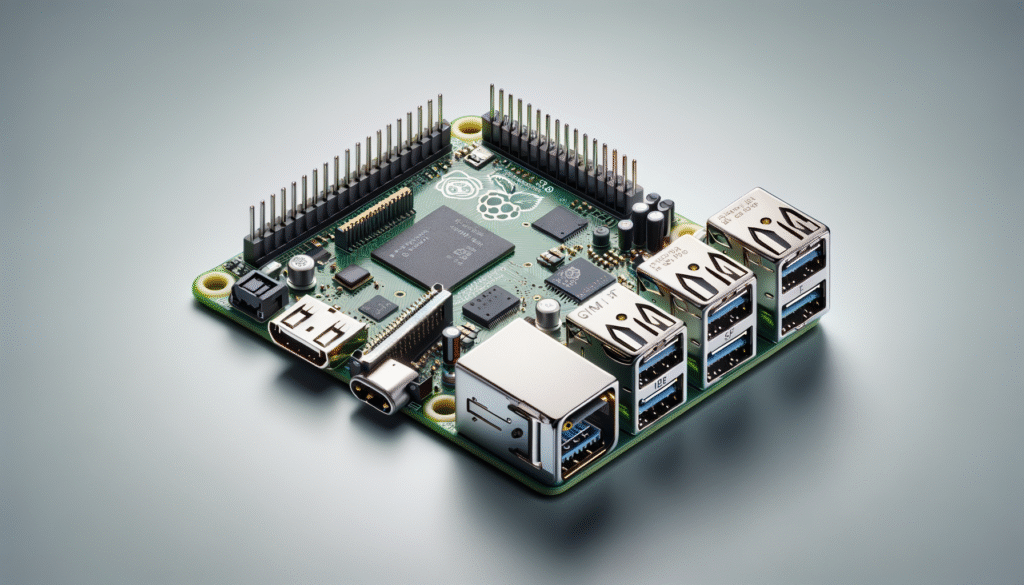
La Raspberry Pi 5 es un notable avance en la serie Raspberry Pi, equipada con un procesador Broadcom BCM2712, un CPU de cuatro núcleos Arm Cortex-A76 que funciona a 2.4GHz. Este modelo ofrece un rendimiento de CPU entre 2 y 3 veces superior al de la Raspberry Pi 4, lo que la convierte en una opción atractiva para aplicaciones que requieren un procesamiento intensivo. Además, cuenta con una GPU VideoCore VII que opera a 800MHz, proporcionando un aumento significativo en el rendimiento gráfico y permitiendo la ejecución de aplicaciones que requieren capacidades gráficas avanzadas.

La Raspberry Pi 5 es capaz de soportar hasta dos salidas de video en 4K a 60Hz a través de HDMI, lo que la convierte en una opción ideal para aplicaciones que requieren una visualización de alta calidad, como la edición de video o la creación de presentaciones multimedia. En términos de conectividad, incluye 2 puertos USB 3.0 que permiten transferencias simultáneas a 5Gbps, además de 2 puertos USB 2.0. La capacidad de red se ve mejorada con Ethernet Gigabit y soporte para Wi-Fi dual-band (802.11ac), lo que garantiza una conexión rápida y estable.

Por primera vez, la Raspberry Pi 5 introduce un interfaz PCIe 2.0, lo que permite conectar periféricos de alta velocidad, como discos duros externos o tarjetas de expansión. También ofrece opciones de memoria RAM de 2GB, 4GB, 8GB y 16GB LPDDR4X, adaptándose así a diferentes necesidades de procesamiento. Esta variedad de opciones de RAM es especialmente útil para usuarios que buscan ejecutar múltiples aplicaciones simultáneamente o trabajar con software que requiere un alto consumo de memoria.

Pros de Raspberry Pi 5:
– Rendimiento superior gracias al nuevo procesador.
– Soporte para video 4K a 60Hz.
– Conectividad avanzada con PCIe 2.0.
– Variedad de opciones de RAM.

Contras de Raspberry Pi 5:
– Puede ser excesiva para proyectos básicos.
– Requiere un conocimiento técnico para aprovechar al máximo sus capacidades.

Raspberry Pi 500

La Raspberry Pi 500 es un modelo único que integra un ordenador completo en un teclado de alta calidad. Al igual que la Raspberry Pi 5, utiliza el mismo procesador quad-core Arm Cortex-A76 a 2.4GHz, garantizando un rendimiento similar. Sin embargo, la Raspberry Pi 500 destaca por su diseño compacto y su sistema de refrigeración, que incluye un disipador de aluminio para mantener temperaturas óptimas durante cargas de trabajo pesadas.

Este modelo también soporta salida dual 4K a través de sus puertos micro HDMI, y cuenta con 8GB de RAM LPDDR4X, que es suficiente para la mayoría de las aplicaciones de uso general. En cuanto a conectividad, ofrece 2 puertos USB 3.0, 1 puerto USB 2.0, Gigabit Ethernet y soporte para Bluetooth 5.0. La Raspberry Pi 500 es una opción interesante para quienes buscan un equipo todo en uno que se integre fácilmente en cualquier entorno de trabajo, ya sea en casa o en una oficina.

La Raspberry Pi 500 es especialmente adecuada para usuarios que valoran la portabilidad y la facilidad de uso, ya que su diseño todo en uno elimina la necesidad de componentes adicionales como un teclado o un monitor. Esto la convierte en una opción ideal para estudiantes o profesionales que requieren un sistema que pueda ser transportado fácilmente.

Pros de Raspberry Pi 500:
– Diseño compacto y portátil.
– Refrigeración eficiente.
– Integración de teclado y computadora en un solo dispositivo.
– Rendimiento sólido para tareas cotidianas.

Contras de Raspberry Pi 500:
– Menos opciones de personalización en comparación con otros modelos.
– Limitaciones en la expansión de hardware debido a su diseño.

Raspberry Pi 4 Model B

La Raspberry Pi 4 Model B, lanzada anteriormente, presenta un procesador Broadcom BCM2711 con un quad-core Cortex-A72 a 1.8GHz. Aunque su rendimiento es inferior al de la Raspberry Pi 5, sigue siendo un modelo potente que admite hasta 8GB de RAM. Este modelo también ofrece soporte para video dual en 4K a través de micro HDMI y tiene capacidades de red similares, incluyendo Ethernet Gigabit y Wi-Fi dual-band.

Los puertos USB de la Raspberry Pi 4 Model B incluyen 2 puertos USB 3.0 y 2 puertos USB 2.0, lo que permite una buena conectividad con periféricos. A pesar de ser un modelo más antiguo, sigue siendo popular debido a su buen equilibrio entre costo y rendimiento. La Raspberry Pi 4 Model B es ideal para proyectos educativos, servidores ligeros y aplicaciones de Internet de las Cosas (IoT), donde su rendimiento es más que suficiente para manejar múltiples tareas.

Además, la Raspberry Pi 4 Model B es una excelente opción para quienes desean experimentar con la programación y la electrónica sin realizar una gran inversión inicial. Su comunidad activa y el amplio soporte de software la convierten en una opción atractiva para principiantes.

Pros de Raspberry Pi 4 Model B:
– Buen equilibrio entre costo y rendimiento.
– Amplia comunidad y soporte de software.
– Ideal para proyectos educativos y de hobby.

Contras de Raspberry Pi 4 Model B:
– Rendimiento inferior en comparación con la Raspberry Pi 5.
– No cuenta con la conectividad PCIe 2.0.

Rendimiento y casos de uso

Cada uno de estos modelos de Raspberry Pi tiene su propio conjunto de características que los hacen adecuados para diferentes tipos de usuarios y aplicaciones.

Raspberry Pi 5

El rendimiento de la Raspberry Pi 5 la hace ideal para tareas que requieren un alto poder de procesamiento, como la edición de video, la programación de aplicaciones complejas y el desarrollo de software intensivo. Su capacidad para manejar múltiples salidas de video en 4K la convierte en una excelente opción para estaciones de trabajo multimedia o sistemas de entretenimiento en el hogar.

Raspberry Pi 500

La Raspberry Pi 500 es perfecta para un uso general, como navegación web, procesamiento de documentos y aplicaciones de oficina. Su diseño integrado y su refrigeración eficiente la hacen adecuada para entornos donde el espacio es limitado y se requiere un sistema fácil de usar. Es ideal para estudiantes que necesitan un ordenador portátil para sus tareas académicas.

Raspberry Pi 4 Model B

La Raspberry Pi 4 Model B sigue siendo una opción sólida para proyectos educativos, servidores ligeros y aplicaciones IoT. Su rendimiento es más que suficiente para ejecutar proyectos de programación y electrónica, lo que la convierte en una opción popular entre los educadores y los entusiastas de la tecnología.

Ventajas y limitaciones

Raspberry Pi 5

Ventajas:
– Alto rendimiento en procesamiento y gráficos.
– Soporte para múltiples salidas de video 4K.
– Conectividad avanzada con PCIe 2.0.

Limitaciones:
– Mayor complejidad en la configuración inicial.
– Puede ser excesiva para tareas simples.

Raspberry Pi 500

Ventajas:
– Diseño todo en uno que ahorra espacio.
– Fácil de usar, ideal para principiantes.
– Refrigeración eficiente para cargas de trabajo.

Limitaciones:
– Menos opciones de personalización.
– Limitaciones en la expansión de hardware.

Raspberry Pi 4 Model B

Ventajas:
– Excelente relación calidad-precio.
– Amplia comunidad y soporte.
– Ideal para proyectos educativos.

Limitaciones:
– Rendimiento inferior comparado con modelos más nuevos.
– No cuenta con características avanzadas como PCIe 2.0.

Aplicaciones o ejemplos prácticos

Raspberry Pi 5

La Raspberry Pi 5 se puede utilizar en aplicaciones avanzadas como:
– Estaciones de trabajo de edición de video.
– Sistemas de visualización de datos en tiempo real.
– Desarrollo de software y aplicaciones complejas.

Raspberry Pi 500

La Raspberry Pi 500 es ideal para:
– Uso en entornos educativos, facilitando el aprendizaje.
– Proyectos de oficina, como procesamiento de textos y navegación web.
– Sistemas de computación compactos en espacios reducidos.

Raspberry Pi 4 Model B

La Raspberry Pi 4 Model B es perfecta para:
– Proyectos de programación y electrónica.
– Servidores ligeros para aplicaciones web.
– Proyectos de IoT y automatización del hogar.

¿Qué modelo elegir?

La elección del modelo adecuado depende de tus necesidades específicas:

  • Para principiantes: Si eres nuevo en el mundo de la programación o la electrónica, la Raspberry Pi 4 Model B es una excelente opción. Su bajo costo y facilidad de uso la convierten en una puerta de entrada ideal. Sin embargo, si tu presupuesto lo permite, la Raspberry Pi 500 ofrece una experiencia más integrada y fácil de usar, ya que viene con un teclado y un diseño compacto.

  • Para profesionales: Los profesionales que necesitan un rendimiento superior deberían optar por la Raspberry Pi 5. Su capacidad de procesamiento y mejoras en la conectividad la hacen adecuada para aplicaciones más exigentes, como la edición de video o el desarrollo de software. La introducción del PCIe 2.0 también abre nuevas posibilidades para conectar dispositivos de almacenamiento rápido o tarjetas de expansión.

  • Para educación: En un entorno educativo, la Raspberry Pi 500 es una opción excelente gracias a su diseño todo en uno, que facilita su uso en aulas y laboratorios. Proporciona una experiencia de usuario amigable y permite a los estudiantes centrarse en el aprendizaje sin distracciones. Por otro lado, la Raspberry Pi 5 puede ser ideal para proyectos de investigación y desarrollo que requieran un hardware más potente.

Conclusión

En resumen, si buscas un modelo básico y accesible, la Raspberry Pi 4 Model B es la mejor opción. Para aquellos que desean un sistema integrado y fácil de usar, la Raspberry Pi 500 es ideal. Por su parte, la Raspberry Pi 5 es la elección más potente y versátil, adecuada para aplicaciones que requieren un alto rendimiento. Cada modelo tiene sus ventajas y limitaciones, por lo que la elección dependerá de tus necesidades específicas y del tipo de proyectos que desees realizar. Con cualquiera de estos modelos, estarás bien equipado para explorar el emocionante mundo de la computación y la programación.

Más información en prometeo.blog

Fuentes oficiales

Quiz rápido

Pregunta 1: ¿Cuál es el procesador de la Raspberry Pi 5?


Pregunta 2: ¿Qué rendimiento de CPU se espera de la Raspberry Pi 5 en comparación con la Raspberry Pi 4?


Pregunta 3: ¿Qué tipo de GPU tiene la Raspberry Pi 5?


Pregunta 4: ¿Cuántas salidas de video en 4K a 60Hz soporta la Raspberry Pi 5?


Pregunta 5: ¿Qué tipo de puertos USB tiene la Raspberry Pi 5?


Lecturas de terceros

Encuentra este producto en Amazon

Ir a Amazon

Como afiliado de Amazon, gano con las compras que cumplan los requisitos. Si compras a través de este enlace, ayudas a mantener este proyecto.

Comparativa entre Raspberry Pi 5, Raspberry Pi 500 y…


Raspberry Pi 5 vs 500 vs 4 Model B: Key Comparisons

Comparing Raspberry Pi 5, Raspberry Pi 500, and

Introduction

This comparison includes Raspberry Pi 5, Raspberry Pi 500, and Raspberry Pi 4 Model B. These models are significant in the world of single-board computers, each offering unique specifications and features that cater to various user needs. Understanding their capabilities will help you make informed decisions, whether you are a beginner, a professional, or someone interested in educational applications. As the demand for compact computing solutions grows, these models stand out for their performance, versatility, and affordability.

Models and Variants

Raspberry Pi 5

The Raspberry Pi 5 is the latest iteration in the Raspberry Pi lineup, representing a significant leap in performance and capabilities. It features a 64-bit quad-core Arm Cortex-A76 processor running at 2.4GHz, which delivers an impressive 2–3× increase in CPU performance compared to the Raspberry Pi 4. This makes it suitable for a wide range of applications, from media centers to advanced computing tasks.

In terms of graphics, the Raspberry Pi 5 is equipped with the VideoCore VII GPU, operating at 800MHz, which supports dual 4Kp60 HDMI display output. This feature is particularly beneficial for users looking to engage in graphics-intensive applications such as gaming or digital signage.

The Raspberry Pi 5 comes in various memory configurations: 2GB, 4GB, 8GB, and 16GB LPDDR4X-4267 SDRAM. This flexibility allows users to choose a model that best fits their specific needs, whether for basic tasks or more demanding applications.

Raspberry Pi 500

The Raspberry Pi 500 is designed as a compact PC experience integrated into a high-quality keyboard, making it an appealing option for users who desire a streamlined computing solution. It shares the same quad-core 64-bit Arm Cortex-A76 processor as the Raspberry Pi 5, also clocked at 2.4GHz, but is equipped with 8GB of LPDDR4X-4267 SDRAM, providing a solid foundation for multitasking and productivity.

One of the standout features of the Raspberry Pi 500 is its one-piece aluminum heatsink built into the keyboard. This design enhances thermal performance, allowing the device to operate efficiently under heavy loads. It supports dual 4K display output via two micro HDMI ports, similar to its counterpart, the Raspberry Pi 5.

The Raspberry Pi 500 is available as a Desktop Kit, which includes a mouse, USB-C power supply, and HDMI cable, making it a user-friendly option, particularly for beginners who may not have additional peripherals on hand.

Raspberry Pi 4 Model B

The Raspberry Pi 4 Model B features the Broadcom BCM2711 chip, a quad-core Cortex-A72 processor running at 1.8GHz. While it is slightly slower than the Raspberry Pi 5, it still offers impressive performance for a variety of applications, making it a versatile choice for many users.

This model supports dual-display output at resolutions up to 4K via two micro HDMI ports and features hardware video decoding for high-definition formats, making it suitable for media playback and light gaming.

The Raspberry Pi 4 Model B is available in multiple memory options, including 1GB, 2GB, 4GB, and 8GB LPDDR4, allowing users to select a model that best suits their needs and budget. Its connectivity options include dual-band wireless LAN, Bluetooth 5.0, gigabit Ethernet, and two USB 3.0 and two USB 2.0 ports, ensuring versatility for various projects.

Performance and Use Cases

Raspberry Pi 5 Performance

The Raspberry Pi 5 excels in performance, particularly for tasks that require a high level of processing power. Its enhanced CPU and GPU capabilities make it ideal for applications such as:

  • Media Centers: With dual 4K display support, it can easily handle high-definition video playback.
  • Gaming: The robust graphics capabilities allow for running emulators and games smoothly.
  • Development: Ideal for developers needing a powerful platform for software development and testing.
  • Industrial Applications: Its extensive connectivity options and PCIe support make it suitable for IoT and automation projects.

Raspberry Pi 500 Performance

The Raspberry Pi 500 provides a unique computing experience, especially for users who prefer an all-in-one solution. Its performance is well-suited for:

  • Office Productivity: Great for word processing, spreadsheets, and web browsing.
  • Education: A fantastic tool for teaching computing concepts in schools due to its integrated design.
  • Light Gaming: While not as powerful as the Raspberry Pi 5, it can still run less demanding games and applications effectively.

Raspberry Pi 4 Model B Performance

The Raspberry Pi 4 Model B remains a reliable choice for users who need a capable yet budget-friendly computer. Its performance is suitable for:

  • Basic Computing Tasks: Perfect for web browsing, document editing, and light programming.
  • Learning Programming: An excellent platform for students and hobbyists learning to code.
  • Robotics: Its GPIO pins make it ideal for robotics projects and DIY electronics.

Advantages and Limitations

Raspberry Pi 5

Pros:
– Superior processing and graphics performance.
– Extensive connectivity options, including PCIe support.
– Versatile memory configurations.

Cons:
– Higher cost compared to older models.
– Requires additional peripherals for a complete setup.

Raspberry Pi 500

Pros:
– All-in-one design simplifies setup.
– Built-in heatsink enhances thermal performance.
– User-friendly Desktop Kit available.

Cons:
– Limited USB ports compared to Raspberry Pi 5.
– Slightly less powerful than Raspberry Pi 5.

Raspberry Pi 4 Model B

Pros:
– Cost-effective option for budget-conscious users.
– Good performance for basic applications.
– Multiple memory options available.

Cons:
– Slower processor compared to newer models.
– Lacks some advanced features found in Raspberry Pi 5.

Applications or Practical Examples

Educational Institutions

The Raspberry Pi 500 is particularly well-suited for educational settings. Its integrated design allows for easy deployment in classrooms, where students can quickly start learning about computing and programming without the need for additional peripherals.

Home Automation

The Raspberry Pi 5 can serve as a powerful hub for smart home applications. Its high processing power and connectivity options make it ideal for running home automation servers, controlling various IoT devices, and processing data from sensors.

Media Centers

Both the Raspberry Pi 5 and Raspberry Pi 4 Model B can be set up as media centers using software like Kodi or Plex. They can stream high-definition content and serve as a central media hub for home entertainment systems.

Robotics Projects

The Raspberry Pi 4 Model B is a popular choice among hobbyists and educators for robotics projects. Its GPIO pins allow for easy integration with various sensors and actuators, making it a versatile platform for building and programming robots.

What Model to Choose?

For Beginners

If you are new to computing or single-board computers, the Raspberry Pi 500 is highly recommended. Its all-in-one design and included peripherals make it easy to get started without needing to purchase additional components.

For Intermediate Users

For those with some experience looking for more flexibility, the Raspberry Pi 5 is the ideal choice. Its enhanced processing power and connectivity options open the door to a wider range of projects.

For Professionals

Professionals who require a powerful platform for development or industrial applications will find the Raspberry Pi 5 to be the best fit. However, the Raspberry Pi 4 Model B remains a viable option for less demanding tasks where budget constraints are a consideration.

For Educational Institutions

Educational institutions should consider the Raspberry Pi 500 for classroom use due to its integrated design. It provides students with a complete computing experience without needing to purchase additional peripherals. The Raspberry Pi 4 Model B can also be used in programming and robotics classes, offering a budget-friendly option that still provides ample learning opportunities.

Conclusion

In conclusion, each model has its strengths and is tailored to different user needs. The Raspberry Pi 5 excels in performance and versatility, making it suitable for advanced users and professionals. The Raspberry Pi 500 offers a compact, user-friendly experience ideal for beginners and educational settings. Lastly, the Raspberry Pi 4 Model B remains a reliable choice for basic applications and budget-conscious users. Selecting the right model depends on your specific requirements and how you intend to use the device. Understanding these factors will ensure that you choose the best Raspberry Pi model for your needs, paving the way for successful projects and learning experiences.

More information at prometeo.blog

Official sources

Quick Quiz

Question 1: What is the processor type used in the Raspberry Pi 5?


Question 2: What is the maximum memory configuration available for the Raspberry Pi 5?


Question 3: Which GPU does the Raspberry Pi 5 utilize?


Question 4: What is the clock speed of the CPU in the Raspberry Pi 5?


Question 5: What type of display output does the Raspberry Pi 5 support?


Third-party readings

Find this product on Amazon

Go to Amazon

As an Amazon Associate, I earn from qualifying purchases. If you buy through this link, you help keep this project running.

Comparing Raspberry Pi 5, Raspberry Pi 500, and


Comparativa: Jetson AGX Orin, Orin NX y Orin Nano

Comparing Jetson AGX Orin, Jetson Orin NX, and Jetson Orin Nano: A Comprehensive Guide

Introducción

En el dinámico mundo de la inteligencia artificial (IA) y los sistemas embebidos, la serie Jetson Orin de NVIDIA ha emergido como una solución potente y versátil. Esta comparativa se centra en tres modelos destacados: Jetson AGX Orin, Jetson Orin NX y Jetson Orin Nano. Cada uno de estos dispositivos está diseñado para abordar diferentes necesidades de procesamiento y eficiencia energética, lo que los hace ideales para una variedad de aplicaciones, desde la conducción autónoma hasta la educación en IA. En este artículo, exploraremos las características distintivas de cada modelo, sus capacidades de rendimiento, ventajas, limitaciones y casos de uso recomendados.

Modelos y variantes

Jetson AGX Orin

El Jetson AGX Orin es el buque insignia de la serie, conocido por su impresionante capacidad de procesamiento. Equipado con múltiples núcleos de GPU y CPU de alto rendimiento, este modelo está diseñado para manejar aplicaciones de IA intensivas. Su arquitectura avanzada lo hace apto para tareas complejas como la robótica avanzada, la analítica de video en tiempo real y la conducción autónoma. La capacidad de integrar grandes cargas de trabajo de IA lo convierte en una opción preferida para proyectos que demandan un alto rendimiento computacional.

Pros:
– Potencia de procesamiento excepcional.
– Adecuado para aplicaciones de IA complejas.
– Soporte para múltiples núcleos de GPU y CPU.

Contras:
– Mayor consumo de energía.
– Coste más elevado comparado con otros modelos de la serie.

Jetson Orin NX

Ubicado en el medio de la gama, el Jetson Orin NX ofrece un equilibrio armonioso entre rendimiento y eficiencia energética. Es ideal para aplicaciones que requieren un nivel significativo de procesamiento sin sacrificar la eficiencia. Su diseño compacto y flexible lo hace perfecto para proyectos de robótica móvil, drones y dispositivos IoT avanzados. El Orin NX es una opción versátil para desarrolladores que buscan un buen rendimiento sin el costo energético del AGX Orin.

Pros:
– Buen equilibrio entre rendimiento y consumo energético.
– Tamaño compacto y diseño flexible.
– Versatilidad en aplicaciones móviles y IoT.

Contras:
– Rendimiento inferior al AGX Orin en aplicaciones extremadamente exigentes.
– Puede no ser suficiente para las aplicaciones de IA más intensivas.

Jetson Orin Nano

El Jetson Orin Nano es el modelo más accesible y económico de la serie, diseñado para proyectos que no requieren capacidades de procesamiento tan intensivas. Su eficiencia energética lo hace ideal para aplicaciones educativas, prototipos y proyectos de menor escala que aún requieren capacidades de IA. Es una opción excelente para principiantes y para aquellos que buscan una entrada asequible al mundo de la inteligencia artificial embebida.

Pros:
– Excelente eficiencia energética.
– Costo accesible.
– Ideal para educación y prototipos.

Contras:
– Capacidades de procesamiento limitadas en comparación con modelos superiores.
– No es adecuado para aplicaciones de IA de alto rendimiento.

Rendimiento y casos de uso

Jetson AGX Orin

El rendimiento del Jetson AGX Orin es incomparable dentro de la serie, gracias a su capacidad para ejecutar múltiples procesos de IA simultáneamente. Esto lo hace ideal para aplicaciones que requieren procesamiento en tiempo real, como los sistemas de visión en vehículos autónomos y la robótica industrial avanzada. Su capacidad para manejar flujos de datos masivos y complejos lo convierte en una herramienta invaluable para desarrolladores que trabajan en proyectos de gran escala. Además, su arquitectura permite la implementación de modelos de aprendizaje profundo y redes neuronales complejas, lo que lo hace adecuado para la investigación y el desarrollo en IA.

Jetson Orin NX

El Jetson Orin NX se destaca en situaciones donde el espacio y la eficiencia energética son críticos. Es especialmente adecuado para aplicaciones móviles, como drones que necesitan capacidades de procesamiento en el aire sin el peso adicional de una gran fuente de energía. También es una excelente opción para dispositivos IoT que requieren un procesamiento local eficiente para reducir la latencia y el consumo de ancho de banda. Su capacidad para integrar sensores y actuar en tiempo real lo hace ideal para aplicaciones de vigilancia y monitoreo remoto.

Jetson Orin Nano

Aunque el Jetson Orin Nano no ofrece el mismo nivel de rendimiento que sus contrapartes más avanzadas, es más que suficiente para aplicaciones educativas y proyectos de prototipos. Su bajo consumo de energía y su costo hacen que sea ideal para laboratorios de aprendizaje y entornos donde se fomenta la experimentación con IA. Además, es excelente para pruebas de concepto en las que el presupuesto es una limitación importante. Su facilidad de uso y accesibilidad también lo convierten en una herramienta educativa valiosa para introducir a estudiantes en el campo de la IA.

Ventajas y limitaciones

Ventajas

  • Jetson AGX Orin: Ofrece el máximo rendimiento para aplicaciones de IA exigentes. Su capacidad para manejar tareas complejas lo hace ideal para desarrollos de vanguardia.
  • Jetson Orin NX: Proporciona un equilibrio sólido entre rendimiento y eficiencia energética, lo que lo hace adecuado para aplicaciones móviles y dispositivos IoT.
  • Jetson Orin Nano: Ofrece una entrada accesible a la IA embebida con un excelente consumo energético, ideal para educación y prototipos.

Limitaciones

  • Jetson AGX Orin: Precio y consumo energético más altos, lo que puede ser una barrera para proyectos con restricciones presupuestarias.
  • Jetson Orin NX: Puede no ser suficiente para las aplicaciones más intensivas, limitando su uso en proyectos que requieren procesamiento extremo.
  • Jetson Orin Nano: Capacidades de procesamiento limitadas, lo que restringe su uso a aplicaciones menos exigentes.

Aplicaciones o ejemplos prácticos

Jetson AGX Orin

  • Conducción Autónoma: Utilizado en vehículos autónomos para procesamiento en tiempo real de datos de sensores y cámaras. Su capacidad para procesar grandes volúmenes de datos lo hace ideal para mejorar la seguridad y la eficiencia de los vehículos.
  • Robótica Avanzada: Implementado en robots industriales para tareas complejas de automatización, permitiendo la integración de múltiples sensores y actuadores para operaciones precisas.
  • Analítica de Video: Usado en sistemas de seguridad para análisis de video en tiempo real, permitiendo la detección de anomalías y la respuesta inmediata a eventos críticos.

Jetson Orin NX

  • Drones Inteligentes: Proporciona procesamiento en vuelo para drones que requieren análisis de datos en tiempo real, mejorando su capacidad de autonomía y toma de decisiones.
  • Dispositivos IoT Avanzados: Ideal para dispositivos que necesitan procesamiento local eficiente, reduciendo la necesidad de conectividad constante y mejorando la privacidad de los datos.
  • Robótica Móvil: Utilizado en robots móviles que operan en entornos dinámicos, permitiendo la navegación autónoma y la interacción con el entorno.

Jetson Orin Nano

  • Educación en IA: Excelente para laboratorios y cursos de inteligencia artificial, proporcionando una plataforma accesible para la enseñanza y el aprendizaje práctico.
  • Prototipos de IA: Ideal para desarrollar y probar nuevas ideas y conceptos, permitiendo la iteración rápida y el desarrollo ágil de productos.
  • Proyectos de Bajo Presupuesto: Perfecto para aplicaciones donde el costo es una restricción clave, permitiendo que más desarrolladores accedan a la tecnología de IA.

¿Qué modelo elegir?

La elección del modelo adecuado depende en gran medida de las necesidades específicas del proyecto y del usuario. A continuación, se ofrecen algunas recomendaciones:

  • Para principiantes y educación: El Jetson Orin Nano es la opción más adecuada debido a su accesibilidad y facilidad de uso. Es ideal para aquellos que comienzan en el campo de la IA y desean explorar sus posibilidades sin una inversión significativa.
  • Para profesionales y proyectos complejos: El Jetson AGX Orin es ideal para aquellos que necesitan el máximo rendimiento y capacidad de procesamiento. Es la opción preferida para proyectos que requieren procesamiento intensivo y alta capacidad de integración.
  • Para aplicaciones móviles y IoT: El Jetson Orin NX ofrece un equilibrio perfecto entre rendimiento y eficiencia energética, ideal para proyectos que requieren movilidad y flexibilidad. Su diseño compacto lo hace adecuado para aplicaciones donde el espacio y el consumo de energía son críticos.

Conclusión

La serie Jetson Orin de NVIDIA proporciona soluciones versátiles y potentes para una amplia gama de aplicaciones en inteligencia artificial y sistemas embebidos. El Jetson AGX Orin se destaca en aplicaciones de alto rendimiento, el Jetson Orin NX ofrece un equilibrio eficiente para proyectos móviles e IoT, y el Jetson Orin Nano es perfecto para la educación y proyectos de menor escala. Al elegir el modelo adecuado, los desarrolladores pueden optimizar sus proyectos para satisfacer sus necesidades específicas, maximizando así el rendimiento y la eficiencia. Para más información, visite prometeo.blog.

Quiz rápido

Pregunta 1: ¿Cuál es el modelo insignia de la serie Jetson Orin de NVIDIA?


Pregunta 2: ¿Qué modelo de Jetson Orin es más adecuado para aplicaciones de IA intensivas?


Pregunta 3: ¿Cuál es una desventaja del Jetson AGX Orin mencionada en el artículo?


Pregunta 4: ¿Para qué tipo de aplicaciones es ideal el Jetson AGX Orin?


Pregunta 5: ¿Qué característica destaca al Jetson AGX Orin en comparación con otros modelos?


Lecturas de terceros

Encuentra este producto en Amazon

Ir a Amazon

Como afiliado de Amazon, gano con las compras que cumplan los requisitos. Si compras a través de este enlace, ayudas a mantener este proyecto.

Comparativa de Jetson AGX Orin, Jetson Orin NX y Jetson…